
 Enjoy 25% Off on Selected Pieces
 decorcraft@velariontika.com
 +852-649-555-56
Enjoy 25% Off on Selected Piecesdecorcraft@velariontika.com+852-649-555-56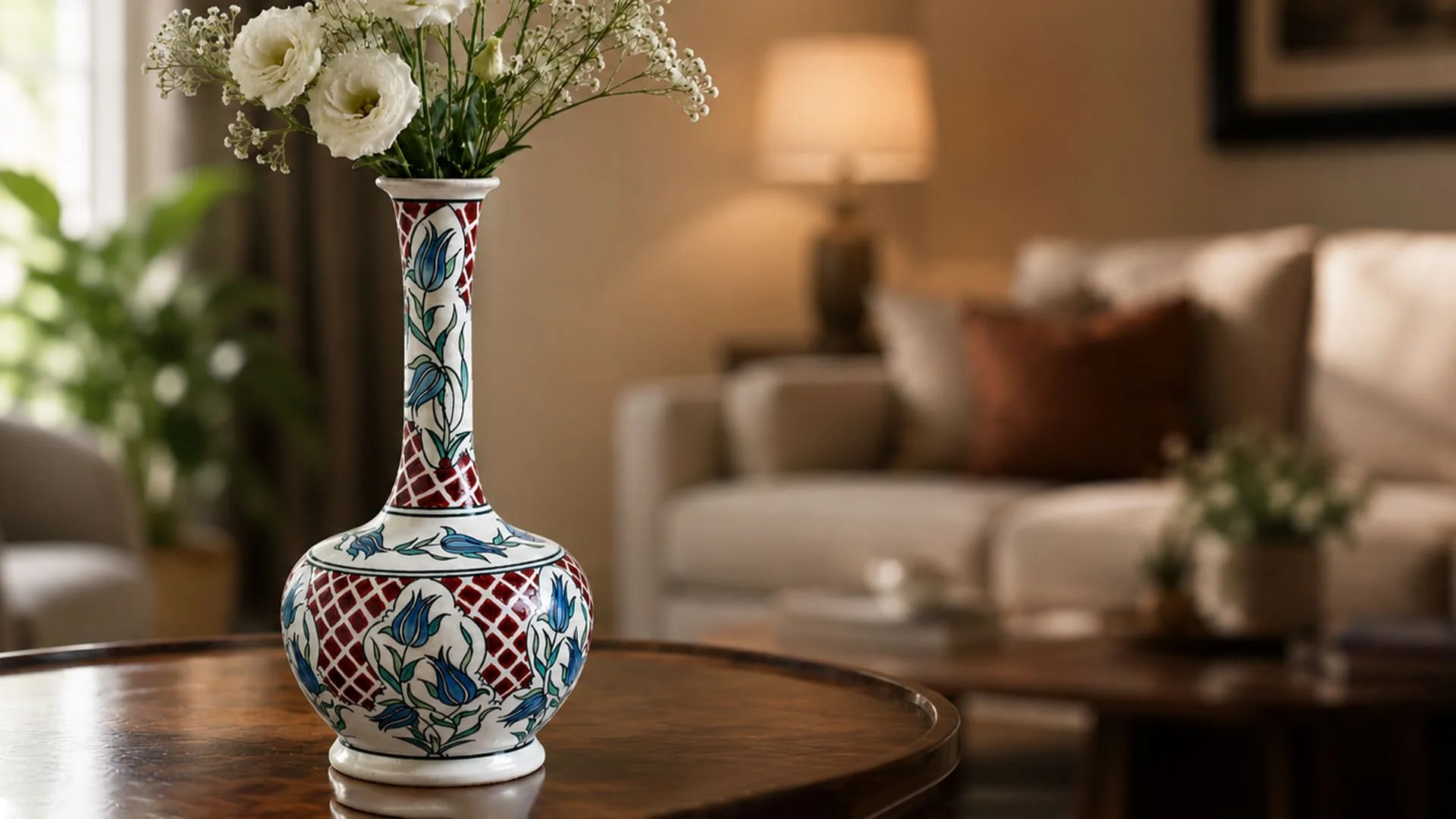
Every object in your home carries a whisper. A chipped vase recalls a rainy market morning. A faded photograph holds laughter that still seems to fill the room. Yet somewhere between decorating rules and tidy shelves, these treasured belongings often disappear into drawers. Organized clutter offers another path. It invites you to display what matters while creating rooms that feels expressive, balanced, and also deeply personal. This is not disorder disguised as style. It is thoughtful storytelling through objects, colors, textures, and memories. When arranged with intention, the things you love can transform an ordinary space into your unmistakable home.
Imagine entering a living room where every surface is spotless, every cushion matches, and every decorative pieces seems chosen from the same catalog. It may look polished, bit does it reveal anything about the person living there? Now picture another room. Books lean beside a sculptural candleholder. Collected bowls sit beneath framed sketches. A travel keepsake shares a shelf with a family photograph. The second room immediately begins a conversation.
That conversational quality sits at the heart of organized clutter. Instead of decorating around an impersonal formula, you tend to build the room around your experiences. Each object contributes a sentence, while the complete arrangement tells a larger story.
The goal is not to display everything you own. It is to select pieces that tend to awaken memories, represent interests, or simply make you pause with delight. When those belongings appear in considered arrangements, your home becomes more than visually appealing. It becomes emotionally recognizable.
The word clutter often suggests crowded counters, forgotten paperwork, and objects simply placed without any purpose. On the other hand, organized clutter is completely different. It uses abundance deliberately, giving individual pieces enough structure to appear connected rather than accidental.
The distinction lies in intention. Random clutter accumulates without direction. Organized clutter grows through selection, placement, repetition, and editing. A collection of ceramic vessels may vary in size and pattern, yet a shared colors creates unity. Several framed pictures can fill a wall, while consistent spacing prevents the arrangement from feeling restless.
This decorating approach gives you freedom without abandoning order. It welcomes contrast, personality, and surprise, but every element still earns its position. Think of it as a lively dinner gathering. Every guest brings a distinct voice, yet the conversation remains harmonious because everyone belongs at the table.
Before purchasing another decorative item, look at what you already own. Open cabinets, revisit storage boxes, and explore shelves that have faded into the background. Search for objects that prompt an immediate feeling. Perhaps it is a small sculpture inherited from a relative, a handmade bowl discovered during a weekend trip, or an old book with beautifully worn pages.
Place these meaningful items together and notice the connections between them. Similar colors may emerge. Repeated materials might appear. You may discover that you are drawn to curved shapes, earthy textures, playful figures, or delicate glass.
These patterns provide a natural direction for your decor. Instead of following a passing aesthetic, you develop a visual language rooted in your existing preferences. That language makes future shopping more purposeful. When you encounter a new piece, you can ask whether it continues your story, introduces an interesting chapter, or merely fills space.
Abundance becomes easier to appreciate when it has a defined home. A tray, shelf, cabinet, or mantel can act as a visual boundary, turning separate objects into a recognizable collection.
Consider a table surface scattered with candles, bowls, and keepsakes. Without structure, the objects may compete. Place several of them on a decorative tray, and they suddenly become a composed display. The tray doesn’t remove their variety, it frames the variety.
Shelves also offer similar possibilities. Dedicate one level to books and sculptural pieces, another to framed memories, and another to ceramics. The boundaries tend to create rhythm while allowing each group to express a different part of your personality.
You can also establish invisible boundaries through spacing. Leave a small area around each arrangement so the eye can rest before moving toward the next story. The thing is: organized clutter thrives on richness, but richness becomes stronger when surrounded by moments of calm.
Memorable displays rarely sit in a single flat line. They use height, depth, and overlapping forms to encourage the eye to wander. Begin with a taller anchor, such as artwork, a lamp, or an upright stack of books. Add medium-sized pieces beside it, then introduce smaller objects toward the front.
This layered approach creates discovery. A tiny figurine peeking from beside a vase feels more intriguing than the same figurine standing alone. A framed print placed behind stacked books gives the arrangement more depth. A shallow bowl in the foreground adds another shape without blocking what sits behind it.
Varying heights also prevents a display from resembling a shoe lineup. Use books as platforms, place stems in vessels, or set a small object on a decorative box. These subtle changes create movement and guide attention naturally across the composition.
When many beloved objects share a room, repetition becomes the quiet thread that connects them. You might repeat a color in several locations, echo a material across different surfaces, or return to similar shapes throughout the space.
Suppose a deep green vase appears on one shelf. That shade could return through a cushion, a framed illustration, or a small glass bowl across the room. The items don’t need to match. Their shared color simply helps the space feel intentional.
Repetition can also come through finishes. Brass accents scattered among wood, ceramic, and fabric creates a gentle visual rhythm. Rounded objects can soften a room filled with straight furniture lines. Woven textures can connect baskets, wall pieces, and table surface decorations.
These repeated details behave like a chorus in a song. They return often enough to create familiarity, allowing varied pieces to coexist without losing their individuality.
A home filled only with similar objects can feel predictable. Contrast gives organized clutter its spark. Smooth glass beside rough pottery, modern artwork above an aged cabinet, or a delicate ornament near a bold sculptural form creates visual tension that keeps the arrangement engaging.
The secret is choosing one or two connecting details. Two contrasting pieces might share a color, scale, subject, or emotional tone. That small relationship allows them to appear intentionally paired.
Contrast also helps meaningful possessions stand apart. A bright object placed among neutral pieces becomes a focal point. A tiny keepsake displayed beside a larger form gains emphasis through scale. Dark frames against a pale wall create definition, while pale ceramics on dark wood appear luminous.
Rather than avoiding difference, use it to reveal the character of each item. The thing is: a compelling room doesn’t speak in one voice. It creates harmony from many distinct notes.
Decorating guidance can help you understand balance, scale, and color, but your emotional response should remain the final voice. If an unconventional pairing makes you smile, it deserves consideration. If a crowded gallery feels comforting rather than overwhelming, let it grow. If minimal shelves leave you uninspired, fill them with stories.
Organized clutter succeeds because it allows personality to guide composition. There is room for elegance, humor, nostalgia, curiosity, and contradiction. Your home doesn’t need to resemble anyone else’s interpretation of style.
The objects you may choose may be humble, unusual, sentimental, or wonderfully impractical. Their values comes from what they communicate to you and how they shape the atmosphere around them. When visitors ask about a curious sculpture or pause before a collection of photographs, your decor opens a doorway to conversation.
The art of organized clutter is ultimately the art of noticing. It asks you to notice what you love, why you keep it, and how it could be seen differently. It turns decorating into an ongoing story rather than a race toward completion.
Begin with one surface. Gather meaningful pieces, vary their heights, repeat a color, and leave enough breathing room for each object to register. Live with arrangement for a few days. Move something, remove something, or introduce a new discovery.
The bottom line is: your belongings have already gathered the memories. Thoughtful presentation allow those memories to enter the room. Explore decorative pieces that complement what you treasure, create arrangements that invite curiosity, and give your home the permission to look lived in.